
Unscheduled glycolysis and glycolytic overload in decline of glycemic health
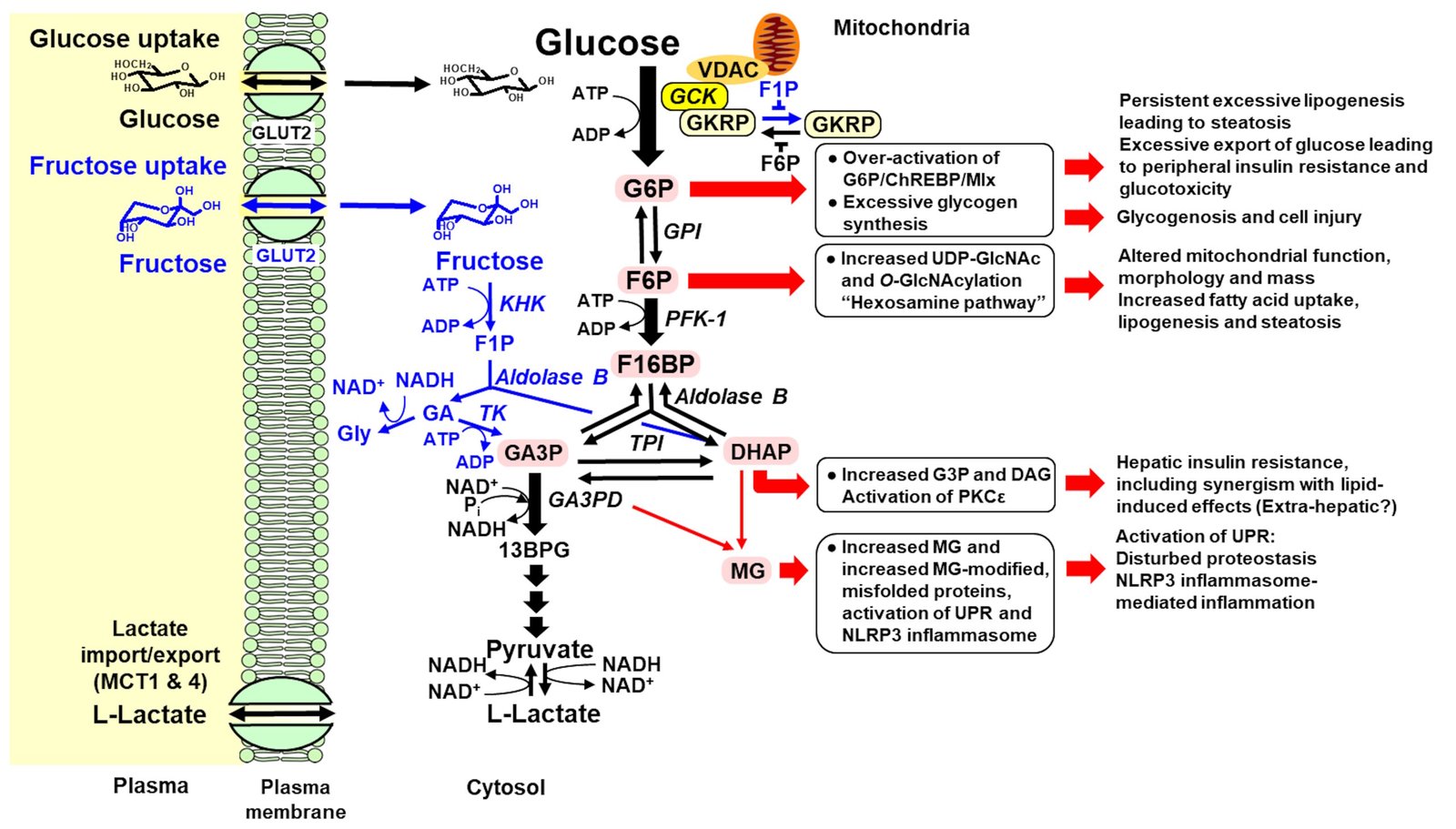
With frequent consumption of simple sugars and/or fats there is overwhelming of normal regulation of glucose metabolism in the liver, overactivation of carbohydrate response element binding protein (ChREBP) and down regulation of insulin receptor substrate-2. This produces mixed hepatic insulin resistance and hyper-export of glucose – increasing fasting plasma glucose with increased risk of peripheral insulin resistance, pancreatic beta-cell glucotoxicity and development of type 2 diabetes. Increased activation of hepatic ChREBP alco stimulates lipogenesis and metabolic dysfunction associated steatotic liver disease (MASLD). A strategy to counter this is treatment with the precision dietary supplement GlucoRegulate. It activates Nrf2 to increase glucose-6-phosphate dehydrogenase and divert excess glucose metabolism to the cytoprotective pentose phosphate pathway. It also thereby decreased activation of ChREBP and decreased expression of sterol response element binding pritein-1c and fatty acid synthase to decrease lipogenesis. GlucoRegulate may thereby be a safe and effective preventive therapy for prediabetes, type 2 diabetes and MASLD.
Figure below: Unscheduled glycolysis and glycolytic overload in the initiation of metabolic dysfunction-associated steatotic liver disease. Key: pink back-filled metabolites, glycolytic intermediates increased in unscheduled glycolysis; red arrows – pathways of pathogenesis initiated by unscheduled glycolysis in hepatocytes; and blue metabolites and arrows – metabolism of fructose. Names of enzymes are given in italics. The nuclear translocation of GCK and GKRP is not shown for clarity.
.
Methylglyoxal, dicarbonyl stress and activation of the unfolded protein response
Methylglyoxal (MG) is a reactive protein-modifying metabolite formed by the degradation triosephosphates, glyceraldeyde-3-phosphate (GA3P) and dihydroxyacetonephosphate (DHAP), in early-stage glycolysis. The normal levels are kept low by onward metabolism of MG by the enzyme glyoxalase 1 (Glo1) of the metabolic pathway called the glyoxalase system.
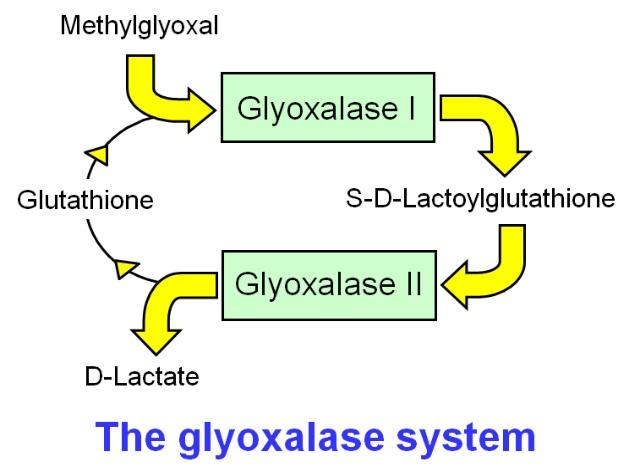
With frequent consumption of simple sugars and hyperglycemia associated with insulin resistance and diabetes, there is dysregulated of glucose entry into glycolysis – unscheduled glycolysis. This leads to abnormally increased GA3P and DHAP and increased formation and concentration of MG – an abnormal physiological state called “dicarbonyl stress”. There is consequent increased modification of proteins which thereby become unfolded. MG-modified proteins accumulate and activate the unfolded protein response (UPR) – a system that provides for surveillance of the quality of cell proteins, protein refolding, protein degradation and inflammatory responses. UPR activation is linked to increased cellular proteolysis and also inflammation through activation of the NLRP3 inflammasome – contributing to low grade inflammation in obesity and diabetes and hepatic fibrosis in metabolic dysfunction steatotic liver disease (MASLD). A powerful strategy to counter increased MG and dicarbonyl stress is to induce increased expression of Glo1 to enhance the metabolism of MG by the glyoxalase pathway. Glo1 has a functional regulatory antioxidant response element and expression may be induced by activation of transcription factor Nrf2. We optimized dietary bioactive compounds for induction of Glo1 expression and found the best Glo1 inducer is trans-resveratrol and hesperetin (tRES+HESP) – also called GlucoRegulate.
Safe
Glo1 inducer GlucoRegulate is highly tolerated, safe and effective.
Patented
Glocentrica Ltd is the world leader in the emerging Glo1 inducer supplements space and holds a patent for tRES+HESP in the USA and Europe. It is currently seeking partnerships with food supplement companies to bring tRES+HESP to the global market.
Effective
Glo1 inducer tRES-HESP is effective in humans, decreasing fasting blood glucose, correcting insulin resistance and decreasing vascular inflammation. It reached these significant clinical endpoints in the Healthy Aging Through Functional Food (HATFF) clinical trial (Clinicaltrials.gov identifier NCT02095873)